


Is Provitalize Effective?

“One-size-fits-all” is a bit of an oxymoron. It’s nearly impossible for one thing to serve everyone. It sounds nice in theory, but it’s not universally true.
Menopause is a prime example of this because there’s still a lot left to be discovered. Those gaps in research often mean fewer treatment options. There’s one main type of treatment for menopause, but it’s not a viable option for every woman, leaving some feeling forgotten.
In their search for relief, many women have discovered Provitalize. It’s a supplement specifically designed for menopausal women. But, as with any supplement, consumers have burning questions. This guide will provide answers to a very common and important question: Is Provitalize effective? And if so, how effective is Provitalize?
What is Provitalize?
There’s lots to discuss—Does Provitalize work? How effective is Provitalize? But first, a bird’s eye view of this unique supplement.
Provitalize is an over-the-counter (OTC) dietary supplement, so it’s available to customers without a prescription. While anyone can take it, it was created with menopausal women at the forefront. This is because menopause can cause a lot of issues in a woman’s life, yet there isn’t an abundance of treatment options.
For some women, supplements attempt to fill this gap. Though research continues on, supplements could constitute complementary or alternative therapies for menopause symptoms, according to the Office on Women’s Health.
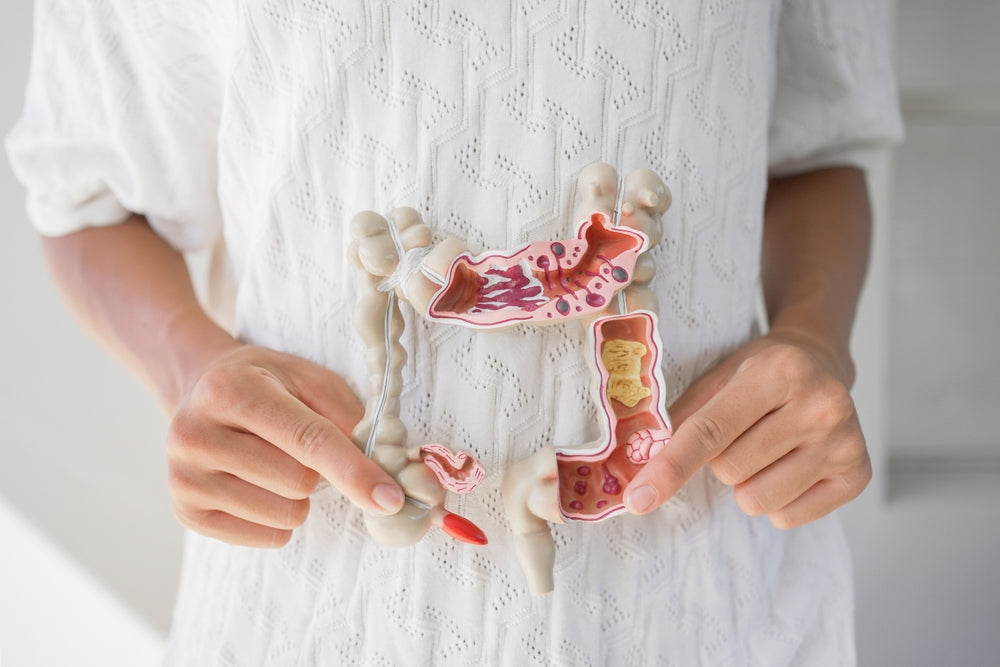
Provitalize could be one such supplement for some. At its core, Provitalize is a probiotic supplement, which means it largely focuses on gut function. However, it also provides several plant extracts that may offer additional benefits. Read on for a deeper dive into Provitalize’s ingredients and potential effects on menopause challenges.
Is Provitalize Effective?
It’s time to address the question of the hour: Is Provitalize effective? Here we get into the formula’s ingredients, user reviews, and more to demonstrate what Provitalize could do and what others say it’s done for them.
How to Determine Whether a Supplement is “Effective” or Not
Supplements exist on a wide spectrum. Though the U.S. Food and Drug Administration (FDA) oversees supplement manufacturing, not all supplements are created equally. On one end of the spectrum, a supplement may be rushed to market without adequate research and procedures in place for safety and quality.
On the other end, a supplement may have years of research and development, third-party testing, cGMP-certified facilities, and so on. Provitalize falls on the latter end of the spectrum.
Years of research and development went into Provitalize before it even came to market—this was a crucial part of the process to ensure the very best ingredients went into the final formulation.
An equal amount of effort goes into ensuring the purity of each bottle: Provitalize is made in the United States in cGMP-certified facilities, which means it’s manufactured in accordance with strict FDA standards for supplements. BB Company also partners with Eurofins laboratories for comprehensive third-party testing. Finally, Provitalize offers transparency with its detailed Supplement Facts.
Clinical Evidence and Research Behind the Ingredients
Is Provitalize effective? The research-backed Provitalize ingredients would suggest so. Here’s what the research suggests about each key ingredient and how this ties in to the possible Provitalize benefits:
-
L. Gasseri SBT2055: One of three probiotic strains, this could have anti-obesity effects, according to some animal models.
-
B.Breve IDCC04401: Another probiotic, this strain is associated with alleviating some gastrointestinal (GI) discomforts.
-
B.Lactis R101-8:The third strain in the probiotic blend, this ingredient has been shown to reduce diet-related inflammation.
-
Fructooligosaccharides (FOS): A type of prebiotic that acts as a food source for the probiotic strains and is linked to increased beneficial gut bacteria.
-
Turmeric: This popular spice is a potent source of curcumin. It’s known for reducing inflammation, but researchers have also linked it to fewer hot flashes.
-
BioPerine:A form of black pepper, this ingredient has been shown to increase the bioavailability of curcumin.
-
Moringa:An herbal plant that research suggests may have anti-obesity, antioxidant, and anti-inflammatory properties.
-
Curry:Another spice associated with anti-inflammatory properties.
Common Results Shared by Users
You’re not the first to consider whether Provitalize is right for you. Millions of women have tried Provitalize, and thousands have written reviews, sharing their firsthand experience with it. Just how effective is Provitalize? We’ve gone over what the research suggests. Now, let’s turn our attention to what Provitalize reviews—which are verified by third-party platform Okendo—add to the conversation.
Better Digestion and Regularity
GI issues can pick up during menopause—irritable bowel syndrome (IBS) is a common one, research shows. Could Provitalize help? Reviewers suggest so:
-
“I have IBS and it controls it. I haven’t had stomach problems since I started taking this.”— Judy N.
-
“I love taking my probiotic every morning to keep me very regular!”— Margot G.
-
“Much to my surprise this cured me of chronic GI problems. Before the supplement I would get sick at night at least 2-3 times a month. After the supplement it doesn't happen anymore.” — Martha W.
Less Bloating and Midsection Discomfort
The abdomen is prone to uncomfortable bloating during menopause. Here’s what customers say to this:
-
“I’m definitely not as bloated, which I feel like is from more regular bowel movements.” — Susan J.
-
“I noticed a lot less bloat and my stomach went down…I have a lot of gut issues and this has helped.”— Patti M.
-
“My stomach definitely looks flatter.”— Maria R.
Reduction in Hot Flashes, Night Sweats, and Brain Fog
What woman hasn’t heard about the hot flashes? This is usually the #1 complaint of menopausal women. When the night sweats kick in, it interferes with your sleep. The physical discomfort is only half the battle—many women say they experience frustrating brain fog. The reviews on this are promising:
-
“My hot flashes are less & shorter than they used to be. No night sweats at all.”— Regina D.
-
“Struggled with major menopause symptoms, like brain fog, sleeplessness, excessively tired, and the lovely bloat and weight gain…It was no more than a week or so of taking this product that I felt lighter physically and I also had more clarity of thoughts throughout the day.” — Amie F.
-
“No more hot flashes during the day or at work. No more at night waking me all sweaty in the middle of the night.” — Tammy J.
Improved Mood, Energy, And Motivation
When you feel sluggish, you’re probably not in the mood to get through the day, let alone squeeze in a workout. Some reviewers say Provitalize enables them to tackle their usual routine:
-
“I love this product! It makes me feel sooo good and gives me energy!” — Allison U.
-
“I now recover pretty quickly after a strenuous workout. I have a lot of energy during the day and sleep well at night.” — Renita J.
-
“Definitely working! Helped with mood swings (big time).” — Wendy R. F.
Timeframe for Results to Show
Now that you’ve seen what the ingredients in this probiotic supplement could do, you might wonder, “is Provitalize effective in the short- or long-term?”
Everyone’s timeline is different. For some, results show up in a matter of days or weeks. Probiotics can increase gut microbiome diversity in just seven days, one study found. For others, it could take months to notice a difference, which is why we recommend staying consistent over time.
A common thread, we’ve found, is that there’s usually some sort of adjustment period. In the beginning, your body is adapting to the sudden influx of probiotics. So, you may notice the Provitalize side effects include increasing bloating and mild discomfort. However, this usually subsides over time.
How Effective is Provitalize Compared to Other Options?
If you’re looking into the effectiveness of Provitalize, you’re probably curious about your other options too.
Other Probiotic and Herbal Supplements
There are thousands of supplements on the market, so it would be impossible to compare Provitalize to them all. But there are a few ways Provitalize is different from others.
Provitalize is tailored to menopausal women while other supplements are more generalized. Every ingredient in Provitalize was hand-picked for menopausal women. It also uniquely combines two common approaches—probiotics for gut function and plant extracts for additional support. Some competitors only offer one or the other and aren’t necessarily tailored to the specific needs of women during this phase of life.
Does this make Provitalize more effective than other OTC supplements? There aren’t any clinical studies on this specifically. However, BB Company has gone to great lengths to formulate Provitalize for menopausal women and with ingredients backed by research, no less.
Hormone Replacement Therapy (HRT)
Hormonal options remain firstline treatments for menopause, according to the Office on Women’s Health. Though they’re not for everyone, they can be beneficial for some.
HRT in particular can increase estrogen levels, improve bone density, and enhance the quality of life in menopausal women, one meta-analysis found. It’s also been shown to significantly reduce heart disease and all-cause mortality in women at or near menopause.
So, is HRT effective? Yes, it is…for some. HRT can come with some risks, and there are certain groups of women who shouldn’t take it, per the Cleveland Clinic.
What about Provitalize vs HRT? Provitalize was never intended to compete with or replace HRT—it’s simply another option worth exploring.
Tips on Making the Most of Provitalize
Is Provitalize effective? In short, it can be. Just remember that everyone’s different, so individual responses can vary. With realistic expectations in place, here’s how you could make the most of Provitalize.
Best Practices for Taking Provitalize
Consistency is key. For best results, we recommend taking Provitalize around the same time every day. Some say the morning is the best time to take probiotics, but Provitalize is formulated in specialized capsules, allowing you to take it whenever you want. While refrigeration isn’t required, store Provitalize in a cool, dry place. This prevents the live microorganisms from degrading when exposed to harsh elements.
Supportive Habits That Boost Effectiveness
Many menopausal women find that Provitalize aligns with their goals. So, adopt other habits that also line up. For some, Provitalize is part of a gut-friendly approach. For others, it’s part of an overall weight loss plan. Whatever your individual goals, the following generally healthy habits could give you a boost on your journey:
-
Get good quality sleep—and enough of it.
-
Eat a balanced diet, preferably one that’s full of fiber and other nutrients.
-
Exercise regularly.
-
Stay hydrated.
-
Manage your stress levels.
What to Avoid While Using Provitalize
Now onto the other side of the coin—whatnotto do.
Nutritionally speaking, limit your intake of foods that could slow your progress. For example, foods high in added sugars, refined carbohydrates, or unhealthy fats could hinder your weight loss. You may also want to avoid eating acidic foods around the time you take Provitalize. This is because they could harm the beneficial bacteria in probiotics, according to the Cleveland Clinic.
What about drug interactions or contraindications? It’s also a good idea to avoid these, which means you’ll need to run it by a healthcare professional before starting Provitalize.
Wrapping Up Our Guide to How Effective Provitalize is
Is Provitalize effective? It was designed with many goals in mind—all of which are aimed at menopausal women. Gut-friendly ingredients like probiotics and prebiotics are at the heart of the formula because this transition is associated with significant gut changes. Plus, plant extracts like turmeric, moringa, and curry were added for their own beneficial properties, such as reduced inflammation. There’s research behind each ingredient’s potential effects, so when combined in this unique formula, Provitalize could offer conveniently bundled support for a host of challenges.
Ultimately, whether Provitalize is effective or right for you comes down to the individual. Everyone’s body responds differently, and each woman is on her own menopause journey. It’s worth consulting a trusted healthcare provider to discuss how Provitalize could fit into your routine. Then, once you’ve had time to see for yourself, we’d love to hear: How effective was Provitalize for you? Try it, and let us know.
English