


PhenQ vs Provitalize
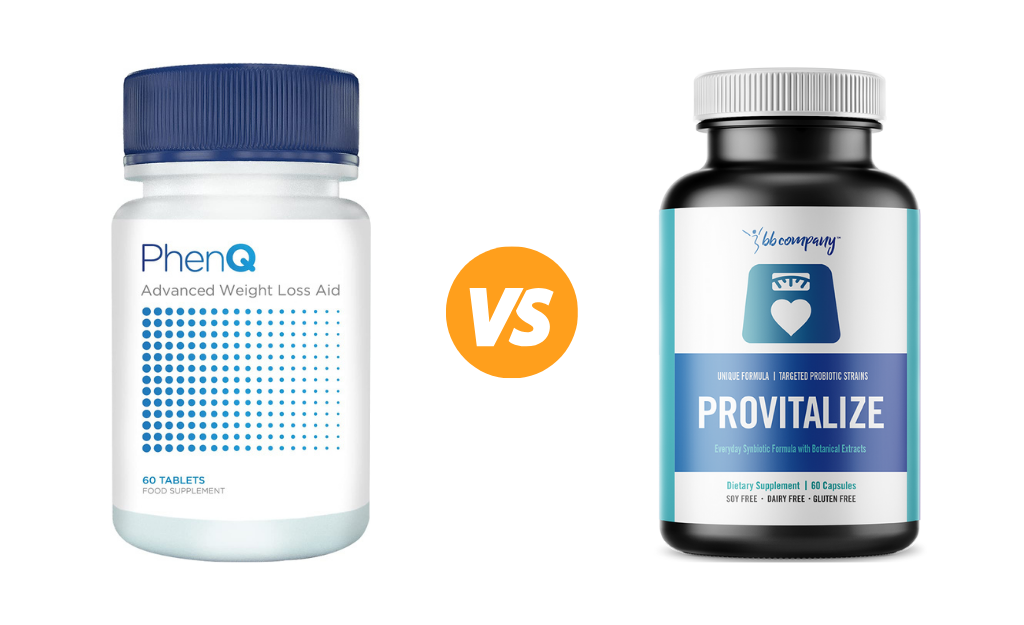

Weight management supplements take wildly different approaches to the same goal. PhenQ focuses on thermogenics and appetite control; Provitalize works through gut health and metabolic support.
If you're comparing PhenQ vs Provitalize, the right choice depends less on which one is "better" and more on what's actually driving your weight concerns.
What is Provitalize?
Provitalize is a probiotic supplement from BB Company, designed specifically for women navigating perimenopause and menopause. Rather than suppressing appetite or ramping up energy expenditure, it addresses weight management through gut microbiome optimization.
Probiotics, Botanical Extracts, and More
The Provitalize ingredients list combines targeted probiotic strains with plant-based compounds:
Probiotic strains:
-
L. Gasseri SBT2055 – Connected in research to reduced abdominal fat and improved metabolic markers
-
B. Breve IDCC04401 – Supports digestion and cholesterol regulation
-
B. Lactis R101-8 – Gut barrier health and immune function
Plant extracts:
-
Turmeric extract (95% curcuminoids) – Anti-inflammatory benefits
-
Moringa leaf extract – Antioxidant properties
-
Curry leaf extract – Additional antioxidant support
-
BioPerine® – Enhances absorption of other ingredients
The formula addresses the gut-metabolism connection that research increasingly shows influences weight, inflammation, and even hormone balance during menopause.
Weight Loss Support and Other Benefits
Provitalize weight loss results tend to be gradual and often come alongside other improvements — reduced bloating, better digestion, steadier energy, fewer hot flashes. The Provitalize reviews frequently mention feeling better overall rather than just seeing scale changes.
This reflects the gut-health approach: when your digestive system functions optimally, multiple systems tend to improve simultaneously.
What is PhenQ?
PhenQ is a weight loss supplement that combines multiple mechanisms — appetite suppression, increased energy expenditure, and fat blocking. It's marketed as an all-in-one solution for aggressive weight loss and appeals to anyone looking to lose weight, regardless of age or life stage.
What's Actually in PhenQ?
PhenQ's formula includes:
-
α-Lacys Reset® – A proprietary blend of alpha-lipoic acid and cysteine, claimed to boost metabolism
-
Capsimax powder – Capsicum, piperine, caffeine, and niacin for thermogenic effects
-
Chromium picolinate – May help regulate blood sugar and reduce cravings
-
Caffeine – Stimulant for energy and alertness
-
Nopal cactus – Fiber for satiety
-
L-carnitine fumarate – Amino acid involved in fat metabolism
The formula focuses on directly influencing appetite and metabolism, whereas Provitalize works more indirectly through gut and inflammatory pathways.
Can it Support Any Other Goals Beyond Weight Management?
PhenQ is primarily a weight loss product. The caffeine content provides energy, and some ingredients offer antioxidant benefits, but the formula isn't designed to address hormonal health, gut function, or menopausal symptoms. It's focused on one goal: helping users eat less and burn more.
PhenQ vs Provitalize: Side-by-Side Comparison
The PhenQ vs Provitalize decision involves choosing between fundamentally different philosophies. Here's how they compare on the factors that matter most.
Ingredient Profile
The PhenQ vs Provitalize ingredient comparison reveals their core differences immediately.
PhenQ relies on stimulants and compounds designed to directly increase metabolism and reduce appetite. Caffeine is central to the formula, alongside thermogenic ingredients that raise body temperature to burn more calories.
Provitalize contains no stimulants. Its probiotics work by optimizing gut bacteria populations, while the plant extracts address inflammation and support absorption. The approach is about creating conditions for healthy metabolism rather than artificially accelerating it.
For women sensitive to caffeine or stimulants, this distinction alone might decide the PhenQ vs Provitalize question.
Expected Weight Loss Results
PhenQ promises faster, more aggressive results — the kind you might notice within weeks. The stimulant-driven approach can produce quicker scale movement, which appeals to anyone wanting visible progress fast.
Provitalize delivers more gradual changes. Users typically notice improvements over 4-6 weeks, with weight loss often feeling like a side effect of overall improved wellness rather than the main event. The scale might move more slowly, but the changes tend to come with fewer tradeoffs.
Other Potential Benefits
This is where PhenQ vs Provitalize really diverges.
Provitalize addresses menopausal symptoms broadly — hot flashes, mood fluctuations, digestive discomfort, energy dips. The gut-health foundation influences multiple body systems, so users often report benefits they weren't specifically seeking.
PhenQ's benefits center on weight and energy. The caffeine provides a pick-me-up, but the formula doesn't address hormonal changes, gut health, or the specific challenges of midlife metabolism. If your only goal is weight loss, that might be fine. If you're dealing with menopause symptoms alongside weight concerns, it leaves gaps.
Side Effects and Safety Profile
Provitalize side effects are typically mild and temporary — some bloating or digestive adjustment in the first week or two as gut bacteria shift. Serious adverse reactions are uncommon.
PhenQ's stimulant content creates different concerns. Caffeine sensitivity can cause jitteriness, sleep disruption, increased heart rate, or anxiety. Some users report digestive upset or headaches. Anyone with cardiovascular concerns, anxiety disorders, or caffeine sensitivity should approach cautiously.
For women sensitive to stimulants — especially during midlife — Provitalize may feel gentler and easier to tolerate.
Long-Term Suitability
Provitalize is designed for ongoing daily use as part of a sustainable wellness routine. Probiotic supplements don't create tolerance or dependency — you can take them indefinitely as part of maintaining gut health.
PhenQ's stimulant-based formula raises questions about long-term use. Caffeine tolerance develops over time, potentially reducing effectiveness. Extended use of thermogenic supplements isn't typically recommended, and most users cycle on and off rather than taking them continuously.
For sustainable, long-term support, Provitalize fits more naturally into an ongoing wellness approach.
Pricing and Accessibility
Provitalize costs approximately $53 per bottle for a one-month supply, with subscription discounts available (20% off monthly, 25% off quarterly). It's available directly from BB Company without prescription.
PhenQ pricing varies but typically runs $69-70 per bottle for a one-month supply, with bulk discounts for multi-month purchases. Also available without prescription through the manufacturer's website.
Both are accessible over-the-counter supplements, though Provitalize comes in slightly lower on per-bottle cost.
Parting Thoughts on PhenQ vs Provitalize
The PhenQ vs Provitalize choice comes down to what you're actually trying to accomplish and how you want to get there.
PhenQ makes sense if: Your singular focus is weight loss, you tolerate stimulants well, you want faster visible results, and you're not dealing with menopausal symptoms or gut health concerns.
Provitalize makes sense if: You're a woman in perimenopause or menopause, you prefer stimulant-free approaches, you want benefits beyond just weight loss, or you're looking for something sustainable for long-term use.
They're solving weight concerns through completely different mechanisms. PhenQ pushes your metabolism harder; Provitalize helps your metabolism work better naturally. Neither approach is universally right — the best choice is the one that matches your body, your goals, and how you want to feel while pursuing them.
For more comparisons that might help clarify your options, see our Provitalize vs Hormone Harmony guide for a different angle on menopausal support.
English