


Provitalize vs Leanbean
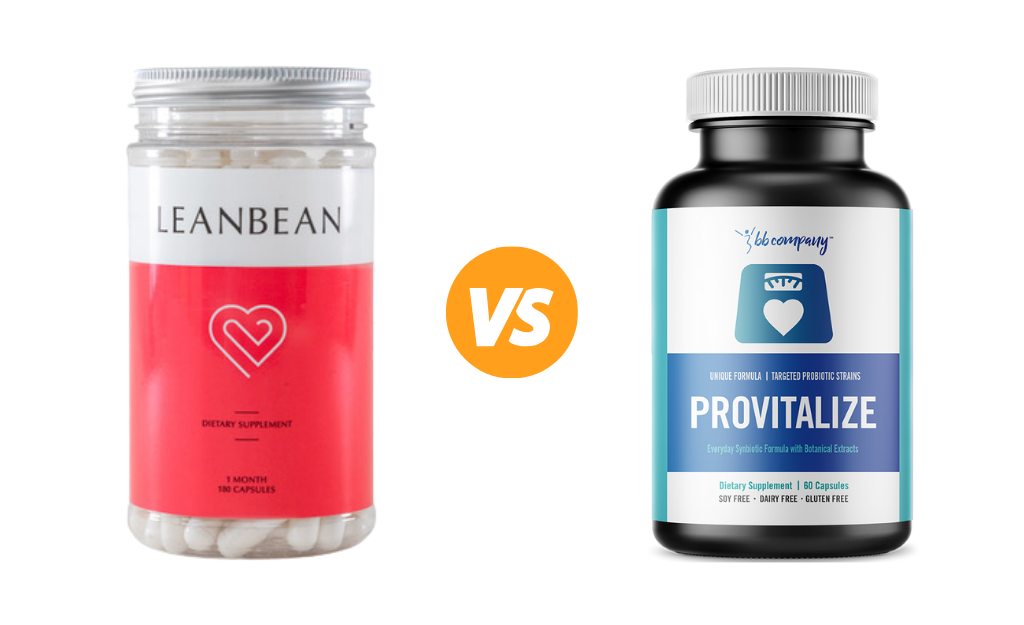

When you're trying to manage your weight during midlife, the sheer number of supplements out there can feel overwhelming. Two names that often come up in conversations are Provitalize vs Leanbean—both marketed toward women, both claiming to support weight management, but approaching the challenge from completely different angles.
So let's break down what each formula does and who it's designed for, so you'll get absolute clarity on which of the two supplements might suit your needs.
What Does Provitalize Do?
A Look at the Formula
Provitalize takes a fundamentally different approach to weight management than most supplements you'll find on the market. Rather than loading up on stimulants or appetite suppressants, it focuses on gut health as the foundation for metabolic balance.
The ingredients in Provitalize include three specific probiotic strains—L. Gasseri SBT2055, B. Breve IDCC04401, and B. Lactis R101-8—each selected based on research linking them to metabolic health and body composition. These aren't generic probiotics pulled from a standard supplier; they're targeted strains with documented effects on how the body processes and stores fat.
Beyond the probiotics, Provitalize includes turmeric root extract (95% curcuminoids) for its well-established anti-inflammatory properties, moringa leaf and curry leaf extracts for additional metabolic support, and BioPerine to enhance absorption of the other ingredients. The formula is rounded out with sunflower lecithin and delivered in delayed-release DRCaps designed to protect the probiotics through stomach acid.
Potential Benefits (and When You'll Feel Them)
The benefits of Provitalize emerge gradually as the probiotics colonize your gut and begin influencing your microbiome. Most women start noticing changes within a few weeks of consistent daily use—though the timeline varies depending on your starting point.
What users commonly report: reduced bloating and digestive discomfort, more stable energy throughout the day, fewer cravings and easier appetite control, and gradual shifts in body composition particularly around the midsection. For many women, this translates to meaningful Provitalize weight loss results over time. Some women also notice improvements in hot flashes and sleep quality, which makes sense given the gut-hormone connection that research continues to uncover.
The key word here is "gradual." Provitalize isn't designed to produce dramatic overnight results. It's working on the underlying systems that influence how your body handles food, stress, and hormonal fluctuations—changes that take time to manifest but tend to be more sustainable.
Who Should Try Provitalize?
Provitalize was specifically formulated for women in perimenopause and menopause, though the gut-focused approach can benefit women at various life stages. It's particularly well-suited for women who want to address weight management without stimulants, those dealing with digestive issues alongside weight concerns, and anyone interested in supporting their body through the metabolic shifts that come with hormonal changes.
If you're looking for a quick-fix fat burner or something to power you through intense workouts, Provitalize probably isn't the right fit. Honestly, it's designed for a different kind of support—the kind that works with your body's systems rather than overriding them.
What Does Leanbean Do?
What Exactly is in Leanbean?
Leanbean took a more traditional fat-burner approach, though formulated with women specifically in mind. Its star ingredient was glucomannan—a water-soluble fiber from the konjac plant that expands in your stomach to create a feeling of fullness. At 3000mg per daily serving (spread across six capsules), Leanbean contained a clinically significant dose of this appetite suppressant.
The formula also included garcinia cambogia (for additional appetite control), green coffee bean extract (a modest caffeine source), turmeric, cayenne pepper (for thermogenic effects), and a complex of B vitamins for energy support. Chromium picolinate was included to help regulate blood sugar, and choline to support fat metabolism.
Unlike many male-oriented fat burners that rely heavily on caffeine anhydrous, Leanbean kept stimulants relatively low—making it more tolerable for women sensitive to jittery side effects.
How Well Does it Work For Weight Management?
Leanbean's effectiveness centered primarily on appetite suppression. The glucomannan would swell in your stomach, theoretically helping you eat less by making you feel full faster and longer. For women who struggled with portion control or between-meal snacking, this mechanism could be genuinely helpful.
The thermogenic ingredients—cayenne pepper, green coffee—added modest metabolic support, though research suggests the actual calorie-burning effect is relatively small (perhaps 50 extra calories per day, according to some studies). The real value was in making it easier to maintain a calorie deficit.
Results typically became noticeable around eight to twelve weeks of consistent use, assuming users also maintained a healthy diet and exercise routine. Leanbean was never positioned as a magic pill—the company was clear that it worked best as part of an overall lifestyle approach.
Can it Do Anything Else?
Beyond weight management, Leanbean offered some secondary benefits. The B vitamins supported energy production, which could help combat the fatigue that often accompanies calorie restriction. Turmeric provided anti-inflammatory support. And for women who found that feeling hungry made them irritable or unfocused, the appetite-suppressing effects could indirectly improve mood and mental clarity.
However, Leanbean wasn't designed to address the broader hormonal and metabolic shifts that happen during menopause. Its approach was more straightforward: help you eat less, burn slightly more, and maintain energy while doing so.
Leanbean vs Provitalize: What to Consider Before You Choose
When comparing Leanbean vs Provitalize, the differences go beyond just ingredients—they reflect fundamentally different philosophies about weight management support.
Appetite Control vs Gut Wellbeing
This is the fundamental difference between these two approaches. Leanbean worked by physically filling your stomach with fiber to suppress hunger signals. It was a mechanical solution to the very real challenge of eating less.
Provitalize works differently—by supporting gut microbiome diversity and reducing inflammation, it aims to influence the hormonal signals that regulate appetite naturally. Research increasingly shows that gut bacteria play a significant role in hunger hormones, cravings, and how your body decides to store or burn calories. Rather than overriding your hunger, Provitalize tries to help your body regulate it more effectively.
Both approaches have merit. But one addresses a symptom (feeling hungry), while the other addresses underlying systems (why you feel hungry in the first place).
Symptom Coverage Beyond the Scale
Weight management rarely exists in isolation, especially during midlife. Hot flashes, sleep disruption, joint stiffness, mood fluctuations, digestive issues—these often travel together with the number on the scale.
Leanbean was laser-focused on weight loss support. If that was your primary concern and everything else was fine, it served that purpose.
Provitalize casts a wider net. The probiotic strains and anti-inflammatory botanicals can influence energy levels, digestive comfort, inflammatory response, and even hormonal balance—not just appetite and metabolism. Reviews on Provitalize frequently mention improvements in areas users weren't specifically targeting, like reduced bloating or better sleep. That broader ripple effect is something worth considering when weighing Leanbean vs Provitalize for your own situation.
Stimulants and Sensitivity
Another key factor in the Provitalize vs Leanbean comparison is stimulant content. Leanbean contained green coffee bean extract, providing modest caffeine content—lower than many fat burners but still present. Women sensitive to caffeine needed to factor this in, especially if they were also drinking coffee or tea.
Provitalize contains no caffeine or stimulants. The energy support comes from optimizing your body's own systems rather than adding external stimulation. For women who react poorly to stimulants or are trying to reduce their caffeine intake, this is a meaningful distinction.
Pill Burden and Daily Routine
A practical consideration in the Provitalize vs Leanbean comparison is convenience. Leanbean required six capsules daily, taken as two capsules three times per day, thirty minutes before meals. That's a significant commitment to remember and execute, especially for women with busy, unpredictable schedules.
Provitalize requires just two capsules daily, ideally taken in the morning. The simpler routine makes consistency much easier to maintain—and consistency is what actually produces results with any supplement.
Timeline and Expectations For Results
Both supplements require patience, though for different reasons. This timeline difference is worth noting when evaluating Leanbean vs Provitalize.
Leanbean needed eight to twelve weeks of consistent use before significant results typically appeared. The glucomannan worked immediately on appetite, but visible changes in weight and body composition took time to accumulate.
Provitalize works even more gradually because it's influencing foundational systems. Most women notice initial changes (often digestive improvements or energy shifts) within two to four weeks, with more substantial results emerging over two to three months of daily use. The changes tend to be more subtle at first but often more sustainable over time.
Side-Effect Profile
Tolerability is another factor in the Provitalize vs Leanbean decision.
Leanbean's most common side effects related to glucomannan—bloating, gas, and gastrointestinal discomfort, particularly if users didn't drink enough water. The fiber expands significantly, so adequate hydration was essential. Some users also reported digestive upset from the garcinia cambogia.
The side effects of Provitalize, if any, are generally mild and temporary. Some women experience initial bloating as their gut microbiome adjusts to the new probiotic strains, but this typically resolves within a few days to two weeks. Because the formula doesn't contain stimulants or large doses of fiber, most users tolerate it well.
Which is the Better Value?
When evaluating Provitalize vs Leanbean on cost, Leanbean retailed around $59 per bottle, with bulk discounts available (the "Bikini Body Bundle" of four bottles worked out to roughly $29-39 per bottle depending on your location). The company offered a 90-day money-back guarantee.
Provitalize is comparably priced, with single bottles around $49-53 and subscription options reducing the monthly cost. BB Company also offers a 90-day satisfaction guarantee for first-time one-time purchases.
The real value question isn't about price per bottle—it's about what you're getting for that investment. Leanbean has been officially discontinued and there isn't any reliable sellers out there that's still selling the de facto product. Provitalize remains available, backed by an active company, and continues to accumulate positivereviews from real users.
Final Thoughts on Provitalize vs Leanbean
Rounding off this Provitalize vs Leanbean comparison, it ultimately comes down to your own health goals. Leanbean served a specific purpose: helping women eat less by mechanically suppressing appetite. For some users, that straightforward approach worked well.
Provitalize offers something fundamentally different—a gut-first approach to weight management that addresses underlying systems rather than just suppressing symptoms. It's designed specifically for the metabolic and hormonal shifts that happen during perimenopause and menopause, making it particularly relevant for women navigating midlife changes.
Using that as your compass, you'll be well-equipped to make the best choice with all the information presented here.
English