


Provitalize vs Pendulum
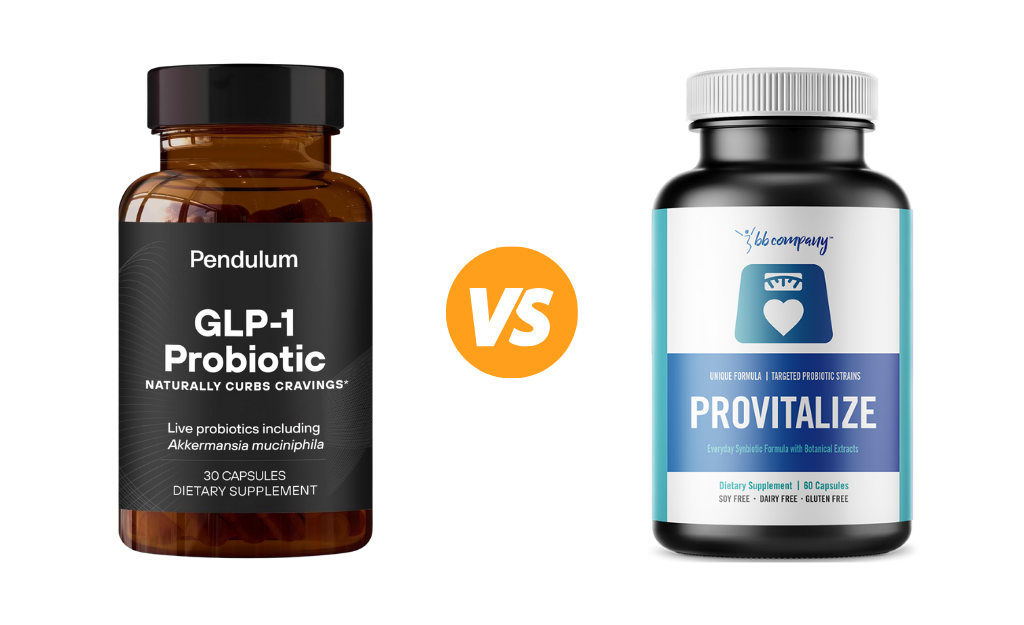

Provitalize vs Pendulum
Probiotics aren't new, but the conversation around them has changed. What used to be about basic digestive support has turned into something more specific—formulas targeting metabolism, hormones, even the same pathways as popular weight loss medications.
Provitalize and Pendulum both fall into this newer category. But they were built for different goals and different audiences. If you're trying to decide between them, the Provitalize vs Pendulum question comes down to what you're actually dealing with—not which one has better marketing.
What is Provitalize?
What is Provitalize? It's a probiotic supplement that pairs bacterial strains with botanical extracts. The formula was designed to address gut health, inflammation, and metabolism together—not as separate concerns, but as connected systems.
Core Ingredients
Provitalize contains three probiotic strains:
-
L. Gasseri SBT2055: Studied for its role in supporting a healthy waistline and metabolic function. Some research links it to reductions in visceral fat.
-
B. Breve IDCC04401: Supports gut comfort and helps maintain healthy lipid levels. May also play a role in how efficiently the body processes nutrients.
-
B. Lactis R101-8: Helps modulate the body's inflammatory response and supports immune balance—relevant for anyone dealing with systemic inflammation.
Beyond the probiotics, the formula includes turmeric extract (95% curcuminoids), moringa leaf, curry leaf, and BioPerine black pepper for absorption. The botanicals add anti-inflammatory and antioxidant support that most probiotic formulas don't include.
What It Does and Who It's For
What does Provitalize do? It supports gut health in a way that reaches further—helping with bloating, energy, body composition, and the inflammatory aches that tend to accumulate over time. Many women also report improvements in hot flashes, sleep quality, and mental clarity.
Though anyone can benefit from better gut health, Provitalize has resonated particularly with women navigating midlife. The combination of metabolic support, inflammation management, and digestive comfort addresses concerns that often show up together during hormonal transitions.
That said, the formula isn't limited to menopause. Younger women use it for bloating and energy. Older women use it for ongoing maintenance. The common thread is wanting gut support that does more than aid digestion.
What is Pendulum?
Pendulum is a premium probiotic brand that's carved out a niche in the "next-generation" space. They offer strains you won't find in most supplements—some of which require specialized manufacturing that other companies can't or won't do.
Core Ingredients
Pendulum offers several products, but their GLP-1 Probiotic has been getting a lot of attention lately—and honestly, the timing isn't accidental. GLP-1 is the same hormone that Ozempic and Wegovy target, and anything adjacent to that conversation is generating interest right now.
The GLP-1 Probiotic contains strains like Akkermansia muciniphila, Clostridium butyricum, and Bifidobacterium infantis. These bacteria support the production of short-chain fatty acids, which can stimulate GLP-1 release in the gut. The idea is to nudge your body's natural hormone signaling rather than introducing synthetic compounds.
What It Does and Who It's For
Pendulum GLP-1 Probiotic is aimed at people curious about GLP-1 medications but hesitant to go the prescription route. It's positioned as a natural way to support the same metabolic pathways.
The science behind GLP-1 itself is solid—it helps regulate appetite and blood sugar. Whether a probiotic can boost GLP-1 levels enough to produce meaningful weight loss is still being studied. Pendulum points to research on their strains, though the results aren't as dramatic as what you'd see with the pharmaceutical versions. That's worth knowing upfront.
The formula is narrowly focused. It's not trying to address hot flashes, joint comfort, inflammation, or the broader range of symptoms that often come with midlife. If those are on your list, this probably isn't the product for them.
Provitalize vs Pendulum: Key Differences to Consider
The Provitalize vs Pendulum comparison isn't really about which probiotic is "better." It's about which one matches what you're actually dealing with.
Formulation and Ingredients
Provitalize combines probiotics with botanicals—turmeric, moringa, curry leaf—for a formula that addresses inflammation alongside gut health. The strains were selected for their research on body composition, lipid balance, and immune modulation.
Pendulum GLP-1 Probiotic focuses on strains that support short-chain fatty acid production and GLP-1 signaling. No botanicals, no anti-inflammatory herbs—just targeted probiotics designed to influence appetite-regulating hormones.
The Provitalize vs Pendulum difference is really about breadth versus depth. One formula tries to support multiple systems at once. The other bets everything on one specific pathway.
Target Benefits
Provitalize targets bloating, energy, body composition, inflammation, and the symptoms that tend to show up together during midlife. The thinking is that these concerns are connected—and that supporting the gut can create ripple effects you feel in other areas.
Pendulum GLP-1 Probiotic targets appetite regulation through GLP-1 support. If you've been hearing about Ozempic and wondering whether there's a supplement version of that approach, this is Pendulum's answer. It's a narrower focus, but a timely one.
Audience Fit
Provitalize fits women (and men) who want comprehensive gut support with benefits that extend to weight, energy, and inflammation. It's particularly popular among women in perimenopause and menopause, though the formula works for anyone dealing with those overlapping concerns.
Pendulum GLP-1 Probiotic fits people specifically interested in appetite and weight management through GLP-1 pathways—often those who've heard about Ozempic or similar medications and want a non-prescription option. The price point and narrow focus mean it's best suited for people with that specific goal in mind.
Wondering is Provitalize a gimmick? The thousands of verified reviews suggest otherwise. But the real question is whether its benefits align with your goals—not whether the product works in general.
Scientific Backing and Reputation
Both brands emphasize science. Pendulum leans heavily on clinical research for Akkermansia and positions itself as a leader in next-generation probiotics. The company has published studies and works with researchers in the microbiome space.
Provitalize's strains also have research behind them—L. Gasseri and body composition, B. Lactis and inflammation, curcumin and inflammatory markers. The formula draws from established science rather than cutting-edge novelty.
Neither approach is wrong. Pendulum appeals to those who want the newest science. Provitalize appeals to those who want proven ingredients combined thoughtfully.
Potential Side Effects
Probiotics in general can cause temporary digestive adjustment—bloating, gas, or changes in regularity—as the gut microbiome shifts. This usually resolves within a week or two.
Provitalize's turmeric may interact with blood thinners or affect those with gallbladder issues. If either applies, consulting a healthcare provider makes sense.
Pendulum's Akkermansia is newer, so long-term data is still accumulating. The company reports it's well-tolerated, but those with compromised immune systems should check with a doctor first.
Price and Value
This is where the Provitalize vs Pendulum gap widens significantly.
Pendulum GLP-1 Probiotic runs around $149 per month. That's premium pricing, even for the probiotic category—reflecting both the specialized strains and the current demand for anything GLP-1 related.
Provitalize is $53 per bottle at full price, with subscriptions reducing that by up to 25%. Provitalize dosage is two capsules daily—one bottle lasts a month.
The price difference is substantial. Whether Pendulum's approach justifies nearly triple the cost depends on how much the GLP-1 angle matters to you—and whether you're seeing the appetite regulation results you're hoping for.
Final Words on Provitalize vs Pendulum
The Provitalize vs Pendulum decision depends on what you're trying to solve.
Pendulum GLP-1 Probiotic makes sense if appetite regulation through GLP-1 support is your specific focus. The strains are research-backed, and the approach taps into the same hormonal pathway as popular weight loss medications. The cost is high, and the benefits are narrower than a general wellness probiotic—but for the right person, that focus could be exactly what they want.
Provitalize makes sense if your concerns are broader—bloating, weight, energy, inflammation, hormonal shifts. The formula addresses multiple systems through gut health and botanicals, at a price point that's easier to sustain long-term. It's the kind of supplement you can stick with for years, not just a few months.
For other comparisons, see Provitalize vs Hormone Harmony or Over 30 Hormone Support vs Provitalize.
If you're here, you probably like to weigh your options before making a decision. That's smart. Reading through reviews from women who've tried Provitalize might help you figure out whether it fits what you're looking for.
English